2025 has brought numerous opportunities to build stronger communities amongst the challenges and tribulations of the year. At this year’s National Sexual Assault Conference® (NSAC), VALOR partnered with Native and Indigenous anti-violence organizations to increase engagement, understanding, and relationship building with Tribal Coalitions. This partnership resulted in 11% of the sessions at NSAC focusing on Tribal information and teachings!
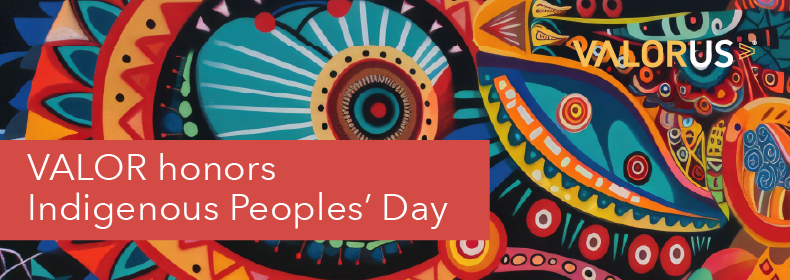
As Indigenous Peoples’ Day calls on all of us to reckon with the history of unjust acts toward Native peoples, we invite the movement to increase meaningful partnerships with Tribal communities. Our advocacy, resources, and expansion of cultural awareness supports the powerful work of Indigenous and Native leaders and communities, increasing awareness of holistic prevention and intervention techniques that support the entire community to create a stronger future for us all.
Take time to explore the coalitions and their work focused on building community and ending violence in and around Native and Indigenous lands.
Alliance of Tribal Coalitions to End Violence (ATCEV) works to advance Tribal safety and sovereignty of American Indian and Alaska Native women through supporting Tribal Coalitions and communities focused on supporting survivors of violence. ATCEV is the Office on Violence Against Women Comprehensive Training and Technical Assistance provider of the Tribal Coalition Grant Program, while also working together with other state and national coalitions to support building strong and inclusive relationships and increasing knowledge around global Indigenous healing methods. Learn more about their projects by visiting their website.
Coalition to Stop Violence Against Native Women (CSVANW) is a New Mexico-based Tribal Coalition with a mission focused on championing social change to end violence against Native women and children by engaging tribal communities and community solutions. CSVANW provides training and education, technical assistance, and support with community building to organizations committed to forging strong partnerships between organizations and all individuals. Learn more on their website.
Hopi-Tewa Women’s Coalition to End Abuse (HTWCEA) focuses on Hopi and Tewa communities to provide safety and support for survivors throughout Arizona while developing women to lead social change and systemic reform. HTWCEA is committed to collaborating with agencies and allies to increase Native based understanding and support of survivors, families, and communities experiencing sexual assault and domestic violence. Visit their website to learn more.
Minnesota Indian Women’s Sexual Assault Coalition (MIWSAC) is dedicated to building resources and creating awareness to eliminate sexual violence against Indian women and children. MIWSAC is available to assist Tribal Sexual Assault Services Program grantees with building culturally responsive services. We encourage you to reach out for support, and you can learn more on their website.
Native Women’s Society of the Great Plains (NWSGP) is a coalition of 25 member tribes in Minnesota, Montana, Wyoming, North Dakota, South Dakota, and Nebraska. The coalition focuses on increasing the number of culturally aware programs supporting Indigenous survivors of sexual assault and domestic violence in rural, geographically and culturally isolated areas. To learn more about increasing support for Tribal survivors in isolated communities, check out their website.
Southwest Indigenous Women’s Coalition (SWIWC) is Arizona’s statewide Tribal sexual assault and domestic violence coalition committed to supporting tribes in increasing their capacity to better address and respond to violence. The core of SWIWC’s work is their goal of being “a good relative” of their tribal communities by establishing reciprocal and earnest relationships with organizations and individuals doing similar or intersecting work. To learn more about SWIWC, head to their website.
Strong Hearted Native Women’s Coalition Inc. is California’s Native American sexual assault coalition. They bring awareness to all types of gender-based violence against American Indian and Alaskan Native people and work to “increase the approachability to improving systemic and community responses to victims.” Visit their website for awareness campaigns, publications, and upcoming events.
For more information on building relationships with Tribes and supporting Native folks, check out these resources:
- Visit ATCEV for training and technical assistance, as well as more information on the Many Voices, Many Traditions: A FVPSA Toolkit for Working with Indigenous Partners, and the Indigenous Ancestral Healing Collective.
- Access MIWSAC’s website for a full list of Tribal Technical Assistance Providers and Tribal Coalitions.
- StrongHearts Native Helpline was launched in 2017 and is a dedicated hotline to support Native American and Alaska Native communities across the United States who are impacted by sexual and domestic violence. Access their website for support.